
Creating Fictional Worlds
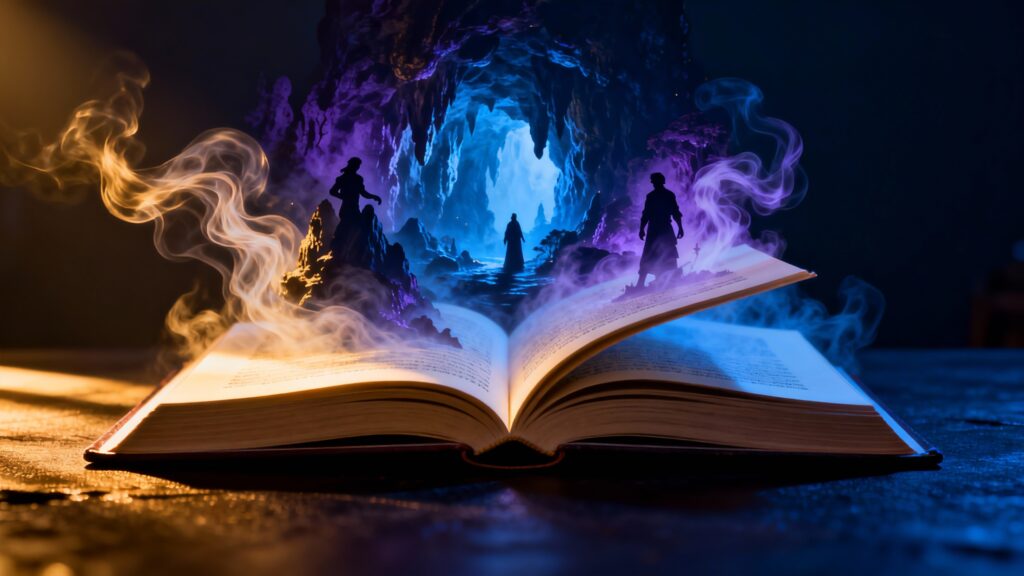
Creating fictional worlds is one of Richard’s favourite parts of writing. Whether he is imagining life in the dusty streets of first‑century Jerusalem or deep underground in the hidden caverns of Under Arnhem, every world begins with a simple “what if?”. What if you grew up in a place where no one had seen the sky for generations? What if you were a market‑stall worker who happened to be there the day a miracle took place? From that starting point he begins sketching maps, listing everyday details (food, work, families, slang), and asking how faith, fear and hope would look in that setting. For Richard, a believable world is built from small, concrete details rather than long explanations. He thinks about noises, smells and textures first—the scrape of sandals on stone, the echo of water in a tunnel, the way lamplight falls on a crowded room—and lets these details hint at the bigger structures of society, technology and belief. He also pays attention to limits: what his characters can’t do or don’t know shapes the story as much as what they can. Above all, every world he creates has to leave space for encounter with God, whether openly named or quietly implied. In that way, his fictional settings become mirrors, helping readers see their own world, and their own walk of faith, from a fresh angle.
The Writing Process

Richard’s stories begin long before he sits at the keyboard. Often they start with a single question—“What did the man on the mat think when the roof opened?” or “What happened to the boy with the loaves and fishes when he went home?”—and a half‑remembered creek from his childhood in South Australia or suburban Melbourne. From there he reads and re‑reads the relevant Bible passage, paying close attention to tiny details: a place name, a throw‑away line, a look in the crowd. He then imagines an ordinary person on the edge of that scene and asks what they might have feared, hoped or misunderstood in that moment. Drafts are written by hand or in a simple document, usually in first person, as if the character is talking directly to the reader. Richard lets the voice ramble at first, collecting sensory details—the grit of dust, the crush of the crowd, the smell of fish or incense—before trimming the piece back so that every sentence serves the heart of the story. After that, the draft is checked carefully against Scripture to be sure that, while the internal thoughts are imagined, the events themselves remain faithful to the biblical text. Only then does he polish the language, looking for places where a fresh image or a quiet pause can help readers step into the scene and feel, for a moment, as if they too were there.
Under Arnhem

Under Arnhem takes readers deep below the Australian outback into a hidden world very few on the surface even suspect exists. Far beneath the red dust and saltbush lies a network of vast caverns threaded around the Great Artesian Basin, where generations ago a small community went underground to survive a changing climate. In this enclosed world of recycled water, artificial light and strict traditions, every breath and every bucket matters. The story follows a young tunnel‑mapper, an ageing historian who still remembers the sky, and a water engineer who knows their lifeline is failing. When tremors and strange air currents hint that they are not alone beneath the earth—and that the surface might not be as dead as they were taught—the fragile peace of Arnheim begins to crack. Part survival tale, part exploration of faith, fear and hope, Under Arnhem asks what people cling to when the ceiling above their heads, and the stories they were raised on, both start to crumble.
The Argument
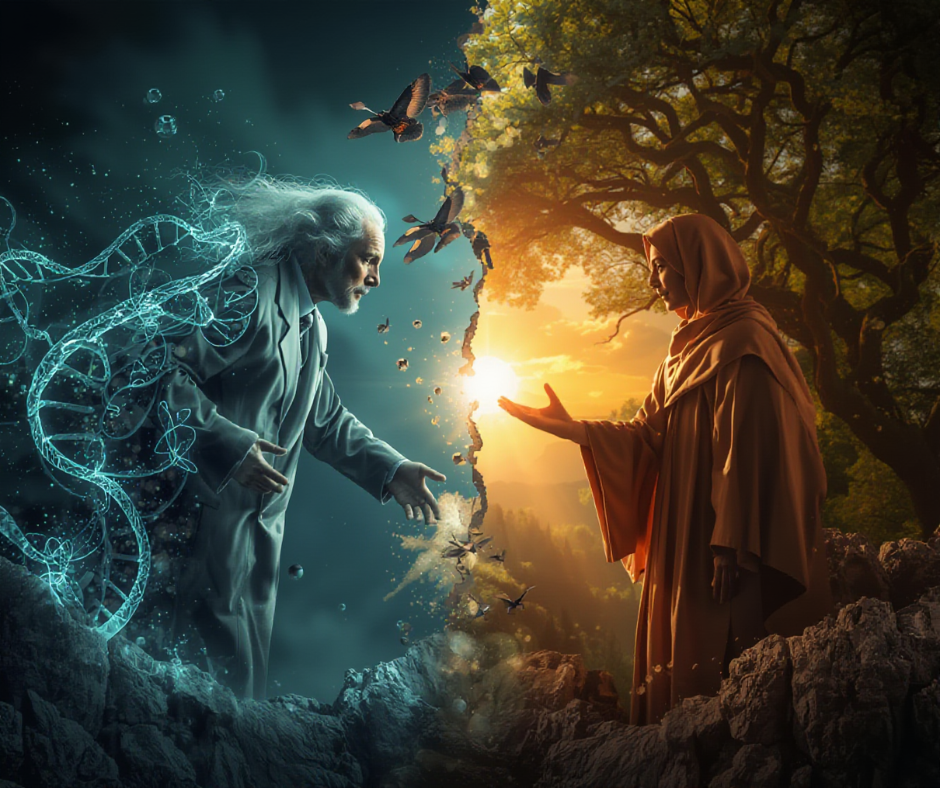
The Argument is Rick’s upcoming book about one of the most hotly debated questions in modern faith: how do we talk about Creation and Evolution without shouting past each other? Instead of offering a single “right” answer, the book brings together a series of stories, conversations and reflective essays that follow believers, doubters and scientists as they wrestle with Scripture, science and what it means to be human. Each chapter lets readers listen in on different viewpoints—young‑earth creationist, old‑earth, intelligent design, evolutionary creation and more—set in everyday settings like family tables, classrooms and church study groups. The aim is not to win the debate but to model honest, respectful dialogue, helping readers understand the arguments, recognise shared convictions, and think more deeply about their own position before God.